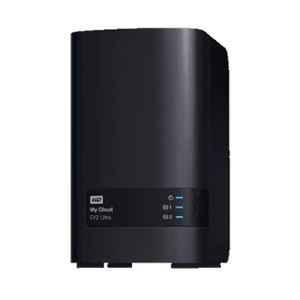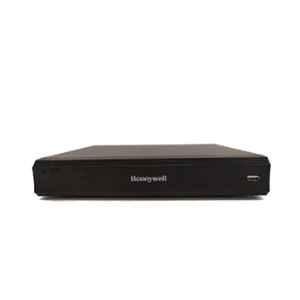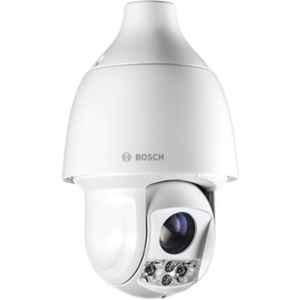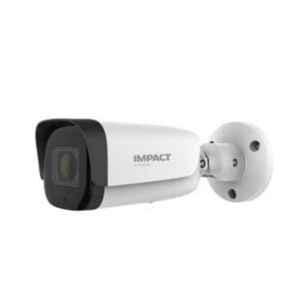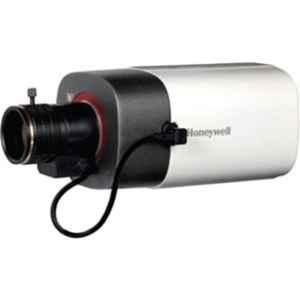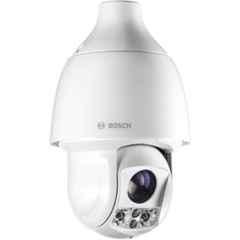


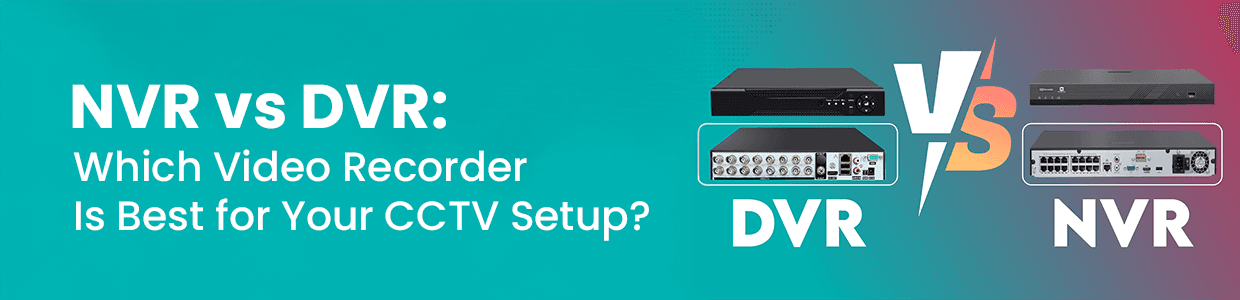
Choosing the right video recorder is just as important as selecting the CCTV cameras themselves. When setting up a surveillance system, most people face the same question: NVR vs DVR — which one is better?
Both recorders serve the same purpose—recording and managing video footage—but they work very differently. Understanding these differences will help you choose the best option for your home, office, or commercial security setup.
Let’s break it down in simple terms.
What Is a DVR (Digital Video Recorder)?
A DVR works with analog cameras. These cameras capture video in analog format, which is then sent to the DVR using coaxial cables. The DVR converts the footage into digital format for storage and playback.
Key Characteristics of DVR Systems
- Uses analog or HD analog cameras
- Requires coaxial cables
- Video is processed inside the DVR
- Typically more affordable
- Limited resolution compared to IP systems
Best Use Cases for DVR
- Budget-friendly installations
- Small homes or shops
- Upgrading older analog CCTV systems
What Is an NVR (Network Video Recorder)?
An NVR works with IP (Internet Protocol) cameras. These cameras process video internally and send digital footage to the NVR over a network, usually via Ethernet cables.
Key Characteristics of NVR Systems
- Uses IP cameras
- Supports Ethernet or network-based connections
- Higher video resolution (2K, 4K, and beyond)
- Easier remote access and scalability
- Advanced smart features
Best Use Cases for NVR
- Modern homes and offices
- Businesses requiring high-resolution footage
- Large properties with multiple cameras
NVR vs DVR: Key Differences at a Glance
| Feature | DVR | NVR |
| Camera Type | Analog / HD Analog | IP Cameras |
| Video Quality | Moderate | High to Ultra-High |
| Cable Type | Coaxial | Ethernet (LAN) |
| Installation | Simple | Flexible but technical |
| Scalability | Limited | Highly scalable |
| Smart Features | Basic | Advanced (AI, alerts) |
| Cost | Lower | Higher |
Video Quality Comparison
If image clarity is your top priority, NVR systems win. IP cameras used with NVRs deliver sharper images, better zoom capabilities, and superior low-light performance. DVR systems, while improved over time, still lag behind in resolution and detail.
Installation & Cabling Differences
- DVR systems require separate cables for video and power, which can increase wiring complexity.
- NVR systems often use a single Ethernet cable for both power and data (Power over Ethernet), resulting in cleaner installations.
Storage & Playback
Both NVR and DVR systems use internal hard drives for storage. However, NVRs typically support:
- Larger storage capacities
- Network storage options
- Faster playback and search features
This makes NVRs more efficient for long-term recording and review.
Smart Features & Remote Access
NVR systems usually offer:
- Motion and object detection
- Mobile and cloud integration
- Smart alerts and notifications
DVR systems may offer remote viewing but with fewer intelligent features.
Which One Should You Choose?
Choose a DVR If:
- You already have analog cameras
- You’re working with a tight budget
- You need a simple, reliable setup
Choose an NVR If:
- You want high-resolution video
- You need advanced security features
- You plan to expand your system later
- You want seamless remote monitoring
Final Verdict
Both NVR and DVR systems are effective when used correctly. DVRs are cost-effective and suitable for basic surveillance needs, while NVRs provide superior video quality, smarter features, and better scalability.
Your choice should depend on your budget, camera type, and long-term security goals. Investing in the right recorder today ensures a more secure and future-proof CCTV setup tomorrow.