

`You can face a lot of problems with an old CCTV system, such as false face identification and blurry footage. When such issues occur, it means you need to upgrade, because completely replacing a system is not necessary in every case. Your system may benefit just by replacing an old camera or recorder, while others may require switching to IP surveillance. This guide explains when you should replace or upgrade an old analog CCTV system before you face any major issue like system failure.
Major Signs That Your Analog CCTV System Has Reached Its Limit
Analog CCTV systems can continue to work for several years before a part or two wear out. When it does, you can face issues with storage or blurry video footage, which can later surprise you during an investigation. The whole purpose of installing a camera system goes to waste. For this reason, you can’t continue to use it if you see these signs:
Blurry footage: This problem can’t let you identify faces or a number plate if the footage someday needs to be investigated.
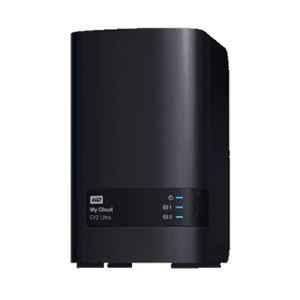
DVR or Storage Device Failure: You should immediately upgrade the device if you see hard disk errors or missing recordings while reviewing the footage.
Limited Remote Access: Remote access to footage is essential; if your system is limiting that capability, then you should think about replacing it.
Parts or Support Issues: If you can’t find components easily for your system, like a DVR or compatible camera devices, then it’s time you should upgrade the system.
Changing Site Requirements: With added floors to the office or construction of new areas in your home, you may need to upgrade your CCTV system, as the old one can’t provide the same level of efficiency.
What Actually Means to Upgrade Your Analog CCTV System?
Replacing your old analog CCTV system does not mean you have to change every camera and cable; you can do it in three ways:
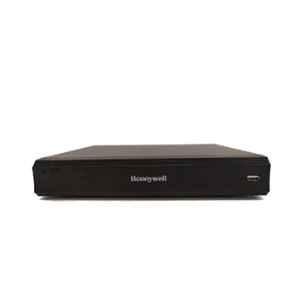
Option 1: Replace the DVR
You can hold on to the old CCTV cameras and the hardware for connections like coaxial cables and install a new DVR. This will offer you many benefits like enhanced recording capability and storage capacity. The new device may also come with a more advanced interface offering easy remote management features. However, you may see no change in resolution because of the old cameras.
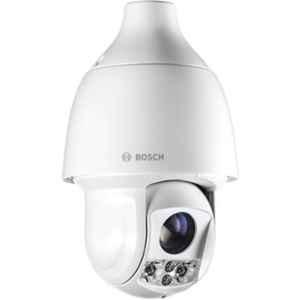
Option 2: Replace With HD Cameras
You can replace the coaxial infrastructure with more advanced technologies that offer higher video resolution, such as HD-TVI and HD-CVI. In this situation, you can retain the existing cables and replace the cameras along with the recorder. However, you must first check the condition of the old connection hardware and compatibility with new devices.
Option 3: Switch to IP Cameras and NVR
Converting your old analog CCTV systems to IP cameras may offer multiple benefits, including better remote viewing and management, along with an Ethernet connection that allows transmission and power supply with the same cable connection.
In Which Situations Does Upgrading an Analog CCTV System Make More Sense?
Upgrading the existing analog CCTV system makes more sense when the existing infrastructure is functional, and you can’t afford to disrupt daily operations.
Here’re the certain situations when upgrading is ideal:
| Site Situation | Recommended Upgrade | Expected Benefit |
| Unreliable DVR | Replace it | New interface, management features, and dependable recording. |
| Coaxial cables are in good condition | Upgrade coax cameras to compatible HD technology | More detailed image quality without new cable expense. |
| Insufficient storage | Replace the old storage device with higher memory capacity HDD | Increased video retention days |
| Need more coverage | Upgrade specific cameras with wide field of view | Low cost upgrade with better surveillance |
| Limited budget | Upgrade system in stages | Total cost is spread over time |
Final Decision About Different Analog CCTV System Conditions: Upgrade or Replace
Here’s the table explaining whether you should upgrade or replace the CCTV systems or parts in certain conditions:
| Factor | Upgrade the Existing System | Replace with IP CCTV System |
| Camera age | If cameras function reliably | If cameras are old or fail frequently |
| Cable condition | Coaxial cables are functions and good physical conditions | If cables are damaged or unsuitable |
| Image quality | When improvements are required | Higher details are essential |
| Analytics | Basic recording and viewing is enough | If you need AI features and advanced analysis |
| Growth plans | Few cameras are needed | Expanding to another site or adding more floors |
| Budget | When initial investment is low | Higher investment justifies long term benefits |
FAQs
Can IP cameras use existing coaxial cables?
No, IP cameras cannot directly use standard coaxial cable. To use them both, you will need Ethernet or another conversion solution, such as adapters or Ethernet-over-coax equipment.
Can analog and IP cameras work in the same system?
Yes, you can. Some of the hybrid DVR devices can support both analog and IP cameras when compatible hardware is used. This method can help businesses gradually replace the old CCTV system in stages instead of changing everything at once.
Should I buy an analog CCTV system in 2026?
If you have a smaller budget and just require basic surveillance, then yes, you can buy an analog CCTV system for a small space. However, you must compare the performance of HD-over-coax and IP solutions for more detailed images and remote management, along with advanced analytics.