


A voice evac system increases the survival chances of the occupants in case of emergencies like earthquakes or fire outbreaks. Having fire safety systems and quick evacuation plans is very intelligent and reliable during hazardous situations. However, in real case scenarios what happens is that people panic and thinking ability gets suppressed. A few individuals can even get separated from the main group and lose their way to the exit. This is why having a VES to guide them safely towards the exit or protected zone during emergencies is essential. These systems allow operators to make emergency announcements in real-time or play recorded messages on the loop. In this blog, we will discuss the voice evacuation system, its working, benefits, features, applications, and how to buy one for your facility.
What is a Voice Evacuation System?
A voice evacuation system is an emergency announcement system that activates automatically to guide people towards safety during emergency situations. It works better than alarms and sirens that can confuse a person, helping them find safety with pre-recorded messages or real-time guidance operators. These systems can even be integrated with CCTV surveillance systems to allow operators to know exactly which zone or area of the building people need help to get out of dangerous situations during earthquakes or fires.
Core System Components of Voice Evacuation Systems
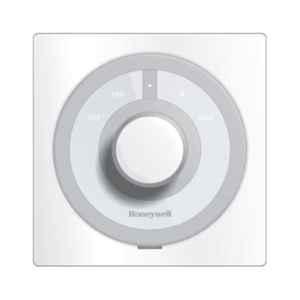
Control Panel
An electronic panel connected to all the devices to monitor and run diagnostics.
Amplifier
Amplifier boosts the audio signal to drive through speakers, producing high volume and clarity.
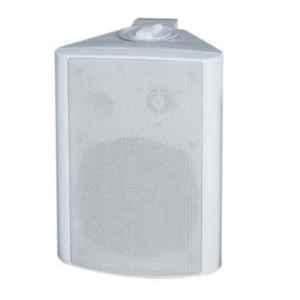
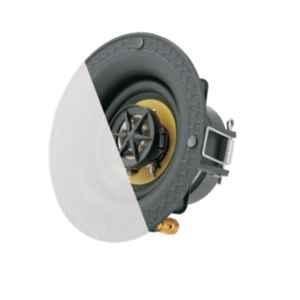
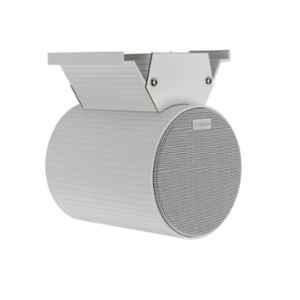
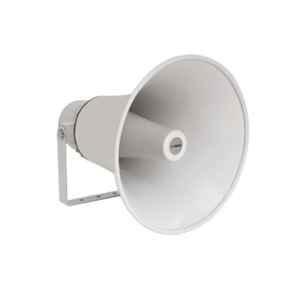
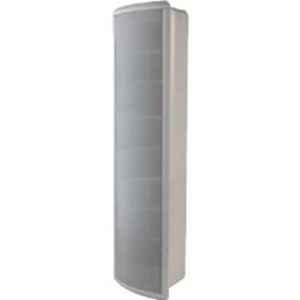
Distributed Speakers and Strobes
These devices are mounted on the ceilings or walls to send audible and visual warnings for the occupants.
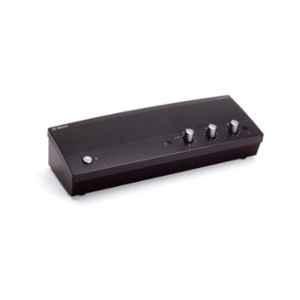
Emergency Microphones and Speakers
These devices are used by emergency staff to make announcements for people inside the building.
Battery Backups
They provide an alternative power source to keep the system running during power outages or failure.
How is the Voice Evacuation System Different from Traditional Alarms or Announcement Systems?
Provide a Clear Set of Instructions
Traditional Alarms: They provide random sounds like beeps or horns but are not able to attract attention. These devices don’t provide a clear context about the situation to the occupants.
VES: They offer clear instructions to the people inside the building about the emergency situation and help them get to the exit. Either it can automatically play recorded messages, or an operator can deliver real-time instructions through the system.
Provide Zone-Based Warning
Traditional Alarms: Once activated, they provide warnings throughout the whole building. This can immediately cause everyone to evacuate at once, resulting in bottlenecks at the exit doors.
VES: These systems provide zone-based warnings, allowing an operator or fire panel to automatically trigger warnings to specific areas. It is designed to give priority to the zones closest to the fire outbreak and later initiate evacuation for other areas inside the building.
Life Safety Supervision and Regulatory Compliance
Public Announcement Systems: PA systems are installed for convenience to make everyday announcements. They are not considered life safety systems, lacking critical features and backup power.
VES: Voice evacuation systems are categorized as life safety equipment and must follow regulatory standards like NFPA 72. They should have critical features like self-system diagnostics and backup power supply.
Psychological Impact and Panic Control
Traditional Alarms: Horns and buzzers are designed to shock people instantly and grab their attention with screeching tones to communicate an emergency, which induces panic. They are especially not helpful where children or elderly patients are present.
VES: Has calibrated audio tones to guide people with a firm voice. It does not only grab undivided attention of the occupants but also calmly instructs towards safety.
Key Features and Benefits of Voice Evacuation System
Multi-Zone Audio Control
VES connects with the fire alarm system and divides the building or complex into multiple zones. An operator can direct the audio to specific areas to communicate different messages simultaneously.
Dual Cap Messaging
These systems can be used for making real-time announcements and playing pre-recorded messages in multiple languages for every person to understand. The message instantly starts broadcasting across the entire building or into specific zones, as per the customizations, once a detector is triggered.
Fault Monitoring and Self-Testing
VES is considered a life safety system that should not fail under any circumstances to save lives during emergencies. They are designed to constantly monitor different parts and components for any faults. In case of hardware failure, the system instantly sends a warning to the Fire Alarm Control Panel or FCAP.
Integrated Power Backup
These life safety systems have power backups with dedicated secondary battery supplies with several hours of energy supply. They are protected from power outages or failures to deliver consistent performance.
Override and Redundant Amplifiers
These systems are designed to override whatever announcement is being made and play emergency messages to help people evacuate quickly. Also, there is a secondary amplifier installed in the system, which activates automatically if the primary amplifier fails.
Applications of Voice Evacuation System
Most commonly, VES is used in large spaces with heavy traffic, including:
- Schools and universities
- Auditoriums and stadiums
- Hospitals and healthcare facilities
- Research Laboratories
How to Buy a Voice Evacuation System for Your Space?
Here are the major points to check before buying a voice evacuation system for your space:
Acoustics and Zone Strategy
Check out the acoustics of your installation site. Generally, people select a system that can achieve a sound output of 15 dB above ambient noise in the environment for making clear announcements. Also, make a strategy to divide the site into different zones to install speakers and direct sound to targeted areas.
System Type
As the VES is integrated with the fire alarm systems, you will have to choose which type of system you need, either a separate voice controller connected to the existing fire panel or a fire panel with an in-built voice alarm system.
Power Amplifier
Calculate how much total power the connected speakers need to function optimally and make sure to choose the amplifier that can handle more than the required limit.
Backup Power
Make sure to also procure secondary batteries to power your emergency announcement system during power outages or failure. The system should be running and reliable 24 hours a day to use during emergency situations.
Regulatory Compliance and Self-Testing
Your voice evacuation system should meet the applicable fire safety standards like NFPA 72 or EN 54-16. Moreover, a self-testing feature is essential to monitor faults and regularly scan hardware failures.