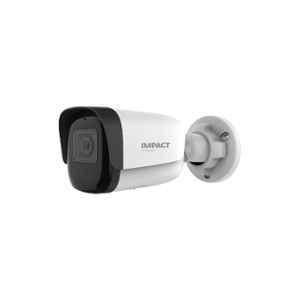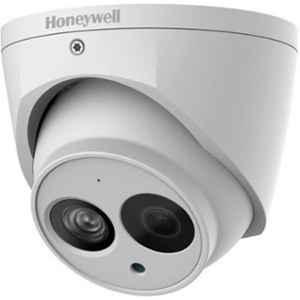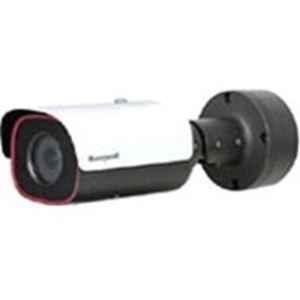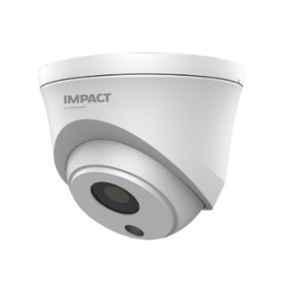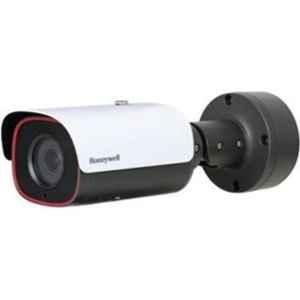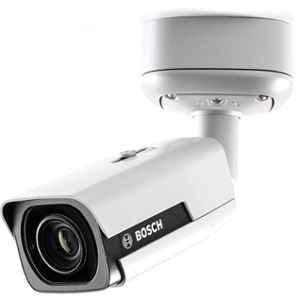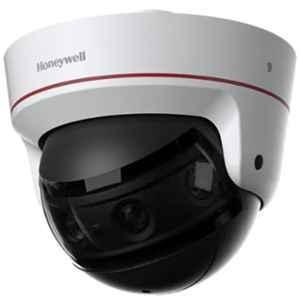


IP Cameras are one of the most trending and highly searched security solutions today. From homeowners to large enterprises, everyone is looking for smarter, internet-based surveillance systems that offer remote access, high-definition recording, and intelligent monitoring features.
This comprehensive blog covers everything you need to know about IP Cameras, including system integrator-related queries that businesses frequently search for.
What is an IP Camera?
An IP Camera (Internet Protocol Camera) is a digital video surveillance camera that transmits data over a network or the internet. Unlike traditional analog CCTV cameras, IP cameras capture video digitally and send it directly to a network video recorder (NVR), cloud storage, or local storage device.
IP cameras are widely used in homes, offices, warehouses, factories, hospitals, schools, retail shops, and large commercial environments.
How Does an IP Camera Work?
An IP camera works by:
- Capturing video in digital format.
- Compressing the footage using formats such as H.264 or H.265.
- Transmitting the data through WiFi or Ethernet cables.
- Storing the video in an NVR, cloud system, or SD card.
Users can monitor live and recorded footage using a mobile app, desktop software, or web browser from anywhere in the world.
Why IP Cameras Are Trending in 2026
IP cameras are gaining popularity because they offer:
- High-resolution video (2MP, 4MP, 5MP, 8MP and 4K)
- Remote viewing from anywhere
- AI-based human and vehicle detection
- Cloud and hybrid storage options
- Integration with smart home and business systems
- Scalability for large projects
They provide flexibility, advanced analytics, and improved security compared to traditional CCTV systems.
Most Asked Questions About IP Cameras
What is the difference between an IP Camera and CCTV?
IP Cameras are digital and transmit video over a network, while traditional CCTV cameras are analog and require a DVR for recording. IP cameras typically offer higher resolution, better scalability, and advanced features like AI-based detection.
Do IP Cameras Need the Internet?
The Internet is required for remote viewing and cloud storage. However, for local recording through an NVR or SD card, the internet is not mandatory.
Are IP Cameras Secure?
Yes, IP cameras are secure when properly configured. Security measures include:
- Using strong passwords
- Regular firmware updates
- Enabling encryption
- Securing the network with firewall protection
- Proper configuration significantly reduces cybersecurity risks.
How Long Do IP Cameras Store Footage?
Storage duration depends on:
- Number of cameras
- Resolution
- Recording mode (continuous or motion-based)
- Storage capacity
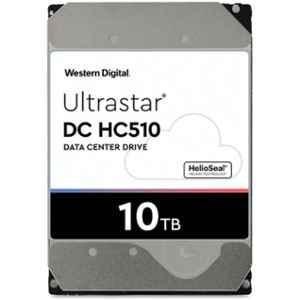
For example, a 1TB hard drive may store approximately 15–30 days of footage depending on settings.
Which is Better: WiFi or PoE IP Camera?
WiFi cameras are easier to install and suitable for small residential setups. PoE (Power over Ethernet) cameras provide stable connectivity and are ideal for professional and commercial installations.
System Integrator Related Queries
As businesses grow, many search queries are related to system integrators rather than just cameras. Below are the most common questions.
What Does a System Integrator Do in IP Camera Projects?
A system integrator designs, installs, and manages complete surveillance systems. Their responsibilities typically include:
- Site survey and risk assessment
- Surveillance system design
- Camera and NVR selection
- Network planning and bandwidth calculation
- Installation and configuration
- Integration with access control and alarm systems
- Maintenance and support
They ensure the entire system works seamlessly and efficiently.
Why Hire a System Integrator Instead of a Local Installer?
A professional system integrator offers:
- Structured system design
- Enterprise-level network configuration
- Scalable architecture
- Long-term technical support
Compliance with security standards
Local installers may handle small setups, but large commercial projects require professional integration services.
How to Choose the Right IP Surveillance System Integrator?
When selecting a system integrator, consider:
- Experience in commercial projects
- Certified partnerships with brands like Hikvision and Dahua Technology
- Strong networking knowledge
- Availability of AMC (Annual Maintenance Contract)
- Client portfolio and references
- Compliance with local regulations
Choosing the right integrator ensures system reliability and long-term performance.
What Certifications Should a Security System Integrator Have?
Common certifications include:
- Manufacturer certifications from brands such as Hikvision and Dahua Technology
- Networking certifications
- ISO certification
- Government-approved licenses where required
Certified integrators provide higher confidence and accountability.
What is the Cost of Hiring a System Integrator?
The cost depends on:
- Number of cameras
- Type of cameras
- Storage requirements
- Network infrastructure
- AI analytics requirements
- Maintenance contract terms
For commercial projects, system integrator service charges typically range between 10 percent to 25 percent of the total project value.
Can System Integrators Provide Cloud and Hybrid Solutions?
Yes. Modern integrators offer:
- On-premise NVR solutions
- Cloud-based storage
- Hybrid systems
- Centralized remote monitoring
- Multi-location surveillance management
These solutions are especially useful for enterprises with multiple branches.
Types of IP Cameras
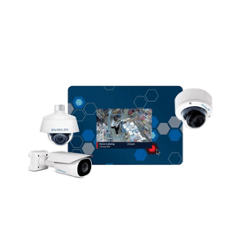
- Dome Cameras – Ideal for indoor installations
- Bullet Cameras – Suitable for outdoor long-range monitoring
- PTZ Cameras – Provide pan, tilt, and zoom functionality
- Wireless Cameras – Easy home setup
- AI Smart Cameras – Advanced detection and tracking capabilities
Each type serves different security needs.
IP Camera Pricing Overview
- Basic WiFi IP Camera: Affordable range suitable for homes
- 4MP Outdoor Camera: Mid-range pricing for small businesses
- 4K IP Camera: Premium range for high-detail monitoring
- PTZ Camera: Higher cost due to motorized control and zoom features
Pricing varies depending on brand, features, and region.
IP Camera Project Design Workflow
Professional system integrators typically follow this process:
- Site survey
- Security risk analysis
- Camera placement planning
- Network and storage calculation
- Installation and testing
- Client training
- Maintenance planning
A structured workflow ensures optimal coverage and system efficiency.
Future of IP Cameras and System Integration
The future of surveillance includes:
- AI-powered analytics
- Facial recognition systems
- License plate recognition
- IoT integration
- Smart city infrastructure
- 5G-enabled security systems
System integrators will continue to play a major role in implementing intelligent and scalable security ecosystems.
Final Thoughts
IP Cameras are no longer just recording devices. They are intelligent security tools that form part of a larger integrated security system.
- For homes, simple WiFi cameras may be sufficient.
- For offices and commercial spaces, PoE systems are recommended.
- For enterprises and industrial facilities, working with a professional system integrator ensures long-term performance, scalability, and security.
Investing in the right IP Camera solution today provides enhanced safety, operational efficiency, and peace of mind for the future.