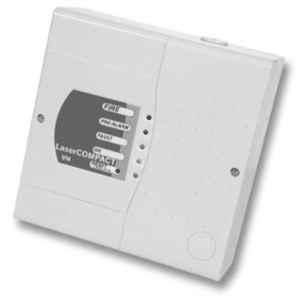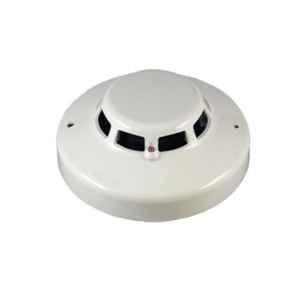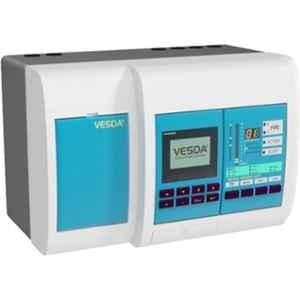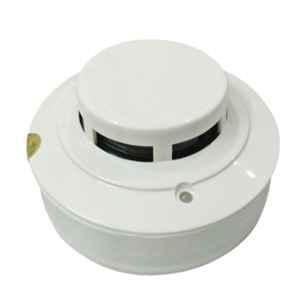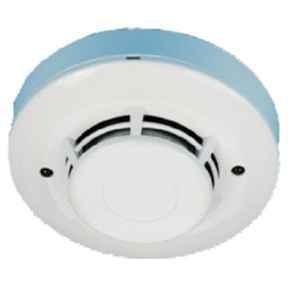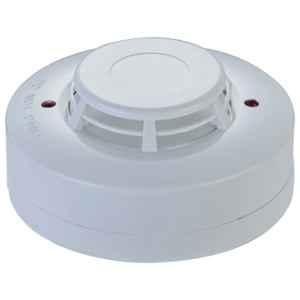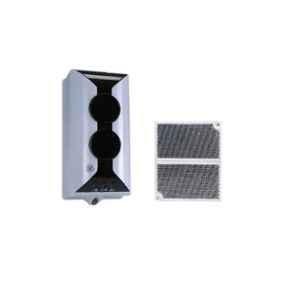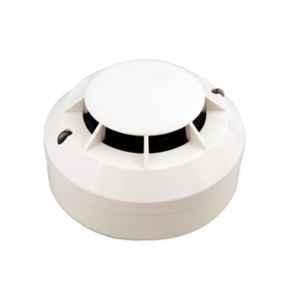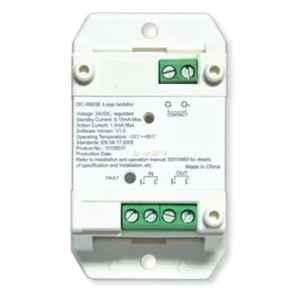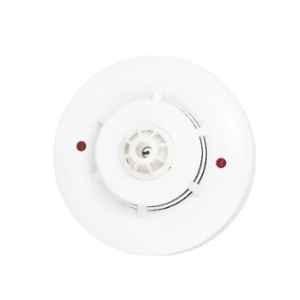


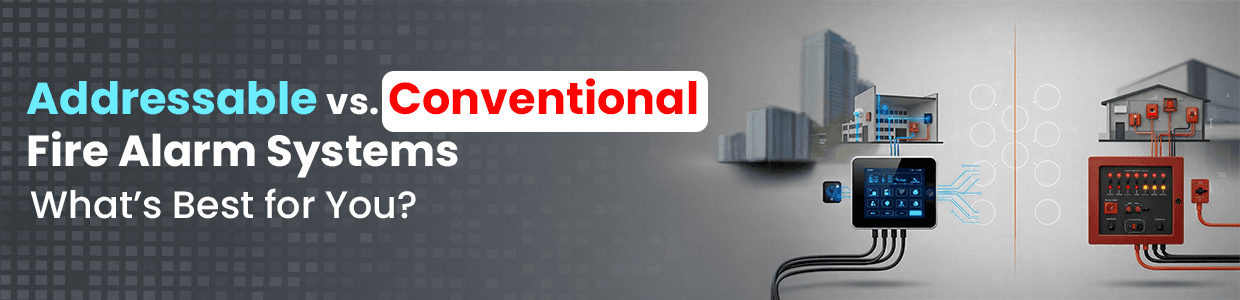
Users often get confused about which fire alarm systems to choose: addressable systems or conventional systems. Both the types of safety systems are highly reliable and efficient providing excellent protection to the people. Addressable fire alarm systems have devices that can be traced back to their original location to take early safety measures. They have unique addresses to identify. Whereas, the conventional systems can only transmit their zone location which is not so precise, but they cost less than the addressable devices. Hence, both types of systems have their requirements and efficiency in keeping occupants safe from fire hazards. To help you select the right one for your needs. Let us discuss them in detail.
What are Addressable Fire Alarm Systems?
Addressable fire alarm systems are designed to have a unique address which can be accurately traced by the professionals using a control panel. Its traceability allows the emergency services to locate the origin of the fire. These devices allow early detection of the fire hazards and help occupants to early evacuate the building. Addressable detectors are a little bit expensive than the conventional devices but offer a reliable safety system that saves time which is crucial in emergency times.
Major Benefits of Addressable Fire Alarm Systems
- Exact Location of Fire: It shows the exact device or area where smoke or fire is detected. This helps in quick action.
- Faster Emergency Response: Since the system gives the precise location, firefighters and staff can respond faster.
- Less False Alarms: It can detect small changes and identify real fire risks, reducing unnecessary alarms.
- Easy Maintenance: The system shows which device has a problem, making repairs quick and simple.
- Suitable for Large Buildings: It is ideal for malls, hospitals, factories, offices, and big buildings.
- Better Safety Control: Each detector has its own address, so monitoring and control become more accurate.
- Expandable System: You can easily add more detectors and devices in the future.
- Detailed Information Display: The control panel shows clear information about the issue.
- Improved Monitoring: It continuously checks all connected devices for proper working.
- Long-Term Cost Saving: Though the initial cost is higher, it saves money by reducing damage and maintenance costs.
Drawbacks of Addressable Fire Alarm Systems
- High Upfront Cost: These systems along with all the required detectors and notification sensors have a higher upfront cost which directly increases the total investment into security systems.
- Complex Installation and Use: These systems have complex installation method which requires heavy cable connections
- Higher Maintenance Needs: Addressable systems have frequent maintenance needs and a professional is often required to deal with connectivity issues and control panel setup.
What are Conventional Fire Alarm Systems?
Conventional fire alarm systems are the fire safety systems installed in specific zones. They don’t have a unique ID to pinpoint their location accurately by the control panels. These devices are less reliable when it comes to tracking the origin of the fire in a building or large campus. However, they are a perfect security system for small spaces as they don’t require much navigation and are very cost saving than the addressable systems.
Major Benefits of Using Conventional Fire Alarm Systems
- Low Cost: Conventional fire alarm systems are more affordable compared to addressable systems.
- Simple Installation: The wiring and setup are easy, especially for small buildings.
- Easy to Use: The control panel is simple and does not require advanced training.
- Best for Small Buildings: It is ideal for small offices, shops, schools, and homes.
- Zone-Based Detection: The system divides the building into zones, so you can know which area has a fire.
- Easy Maintenance: Basic faults can be found and fixed without complex tools.
- Reliable Performance: It provides dependable fire detection for standard safety needs.
- Less Technical Complexity: It does not require complicated programming.
- Widely Available Parts: Spare parts and devices are easily available in the market..
Drawbacks Conventional Fire Alarm Systems
- Can’t Communicate Exact Location: The devices and sensors used in conventional systems don’t have to have a unique address to track their exact location. They can only communicate about their allocated zones.
- Expensive Installation With Wiring Needs: Conventional detectors use cable connections for sending signals and to communicate with main control panels. The complex cable installations increase the upfront cost of these systems.
- Time Consuming: Whether it is about maintenance or repair, the conventional systems take a lot of time to identify and rectify the faults.
Major Difference Between Addressable vs Conventional Fire Alarm Systems
| Feature | Addressable Fire Alarm System | Conventional Fire Alarm System |
| Device ID | Shows exact device location | Shows only zone location |
| Accuracy | Very high | Moderate |
| Wiring | Loop wiring | Zone-based wiring |
| Installation Cost | High | Low |
| Maintenance | Easy to identify faults | Hard to find exact fault |
| Panel Information | Detailed display | Limited display |
| Best For | Large buildings | Small buildings |
| Expansion | Easy to expand | Difficult to expand |
| Response Time | Faster | Slower |
| Overall Protection | Advanced protection | Basic protection |