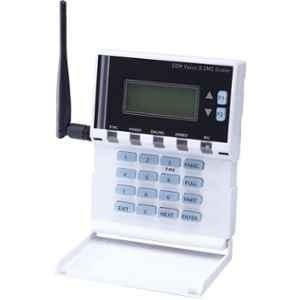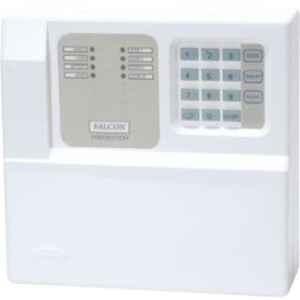


When you have a large facility with expensive inventory and high daily traffic, the installation of a security system becomes essential. A reliable intrusion alarm system works as the first line of defence in keeping the intruders and burglars away. It can prevent any unauthorized individuals from entering your space with instant loud alarm warnings and alerting the owner on their personal device.
With advancing technology, the security systems have also evolved. This has given rise to a common question—whether to choose a wired intrusion alarm system or a wireless system. Both types of systems are being used for protecting commercial as well as industrial facilities. Wired systems are sourced for their affordability and effectiveness, and wireless devices are installed for their ease of installation and wider area coverage.
However, making a final choice depends on various factors that should be taken into account before procurement. In this blog, we will discuss whether large facilities should choose wired vs wireless intrusion alarms in detail.
Understanding How Wired and Wireless Intrusion Alarms Work
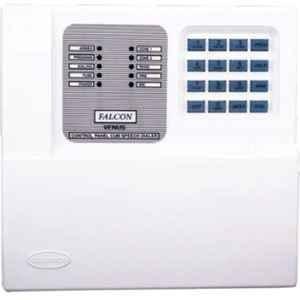
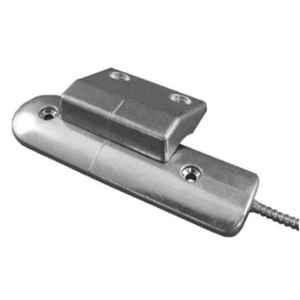
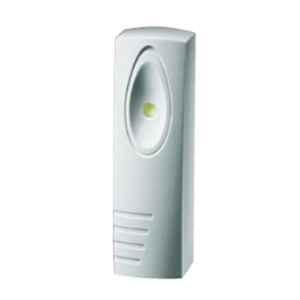
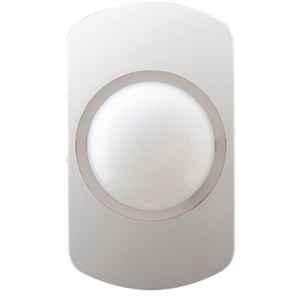
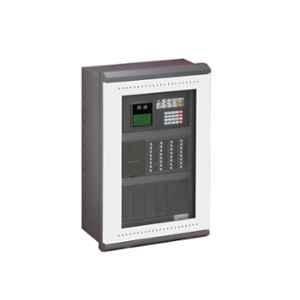
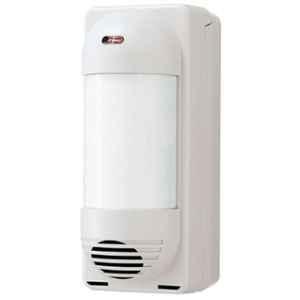
The wired intrusion alarm system has all the devices like detectors, motion sensors, glass break detectors, manual call points, and more connected directly to the central control panel. The professionals have to install high-speed signal transmission cables across the property to connect everything. The system constantly monitors the devices and communication between control panels to ensure reliability.
Whereas the wireless intrusion alarm system has all the devices communicating with the central control panel wirelessly using radio frequencies. This makes these systems install and set up faster than the wired systems. Moreover, there is no need for complex planning as they are easy to scale up with easy relocation of devices without the need for cable installation. Wireless systems are also highly favorable for large facilities like a leased warehouse, where you can install new cable lines, which makes operations too expensive.
Major Advantages of Using Wired Intrusion Alarm Systems
More Reliable
For larger and high-security facilities, the wired intrusion systems are still preferred for their higher reliability. Their devices communicate with the central panel through cables that provide instant response with almost no chance at all for signal loss or signal interference that can occur in wireless systems.
This makes wired systems highly suitable for:
- Large warehouses
- Pharmaceutical storage facilities
- Data centers
- Financial institutions
- High-value retail stores
- Jewelry showrooms
Temper Proof
Commercial-grade wired systems use specialized circuits that can even detect cable cuts, faults, and tampering. Hence, if an intruder tries to cut the cable and disarm the intrusion system, that control panel can instantly trigger warning alerts to the users. This further enhances the reliability of the wired intrusion alarms for large spaces with self-monitoring.
Reduced Signal Interference Risks
Industrial spaces have large machinery, steel structures, electric motors, and other things that can easily interfere with the working of wireless devices and make them inefficient in communicating with the control panel. Whereas the wired systems don’t rely on radio frequencies to communicate and have high-speed cables, they are considered ideal for such environments.
Drawbacks of Wired Intrusion Alarm Systems
Despite their reliability, wired systems have certain limitations:
- Higher installation costs
- Longer deployment timelines
- Greater disruption during retrofitting
- More complex expansion projects
Major Advantages of Using Wireless Intrusion Alarm Systems
Quick and Easier to Install
Wireless intrusion alarm systems are preferred for large facilities as they can be quickly and easily installed across the space, without the need for installing cables first. This also benefits at the time of scaling up the systems to cover more area, these devices can relocate easily without complex cable connections.
This makes wireless systems ideal for:
- Existing commercial buildings
- Leased facilities
- Shopping malls
- Temporary storage sites
- Expanding warehouse operations
Installation Flexibility
Wireless devices like detectors that don’t connect using cable to the control panel makes it highly easy to install and scale up the systems. So, if you are expanding the space or adding more shops to the shopping mall, you can expand the intrusion alarm range by adding more devices without the need for physical cable connections.
Remote Management
Many commercial wireless systems now include cloud-based monitoring and management platforms. Security teams can:
- Monitor multiple sites remotely
- View event logs
- Arm and disarm systems
- Receive instant alerts
- Manage user access
Choosing the Right Intrusion Alarm System
Before selecting a system, facility managers should evaluate three key factors:
Asset Value and Risk Exposure
Identify the areas where a security breach would cause the greatest financial or operational impact.
Building Infrastructure
Determine whether existing cabling pathways can support a wired installation or whether retrofitting would be costly and disruptive.
Future Expansion Plans
Facilities expecting frequent layout changes may benefit from the flexibility offered by wireless or hybrid solutions.
A professional site assessment by a qualified security integrator can provide valuable insights and help identify the most effective security architecture for the facility.
Conclusion
Both wired and wireless intrusion alarm devices are essential for high security in large spaces. They use advanced sensors and unique benefits for the users, offering performance and reliability. The final choice should be made after considering the features and benefits of both systems, along with your security needs.