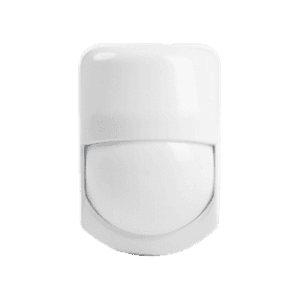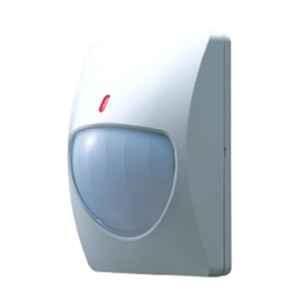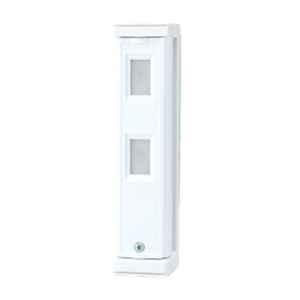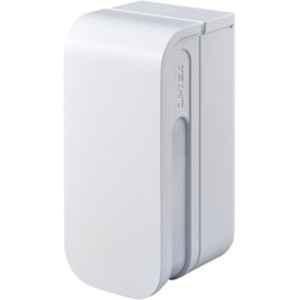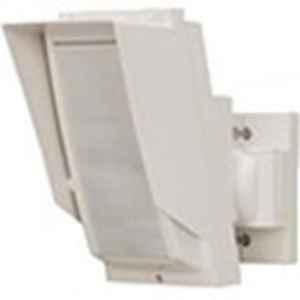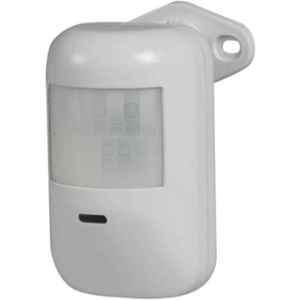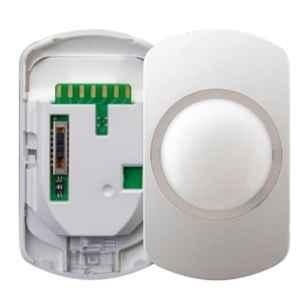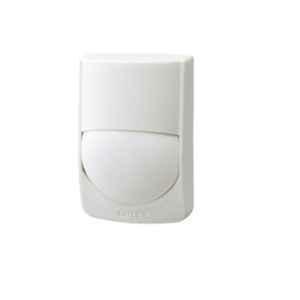


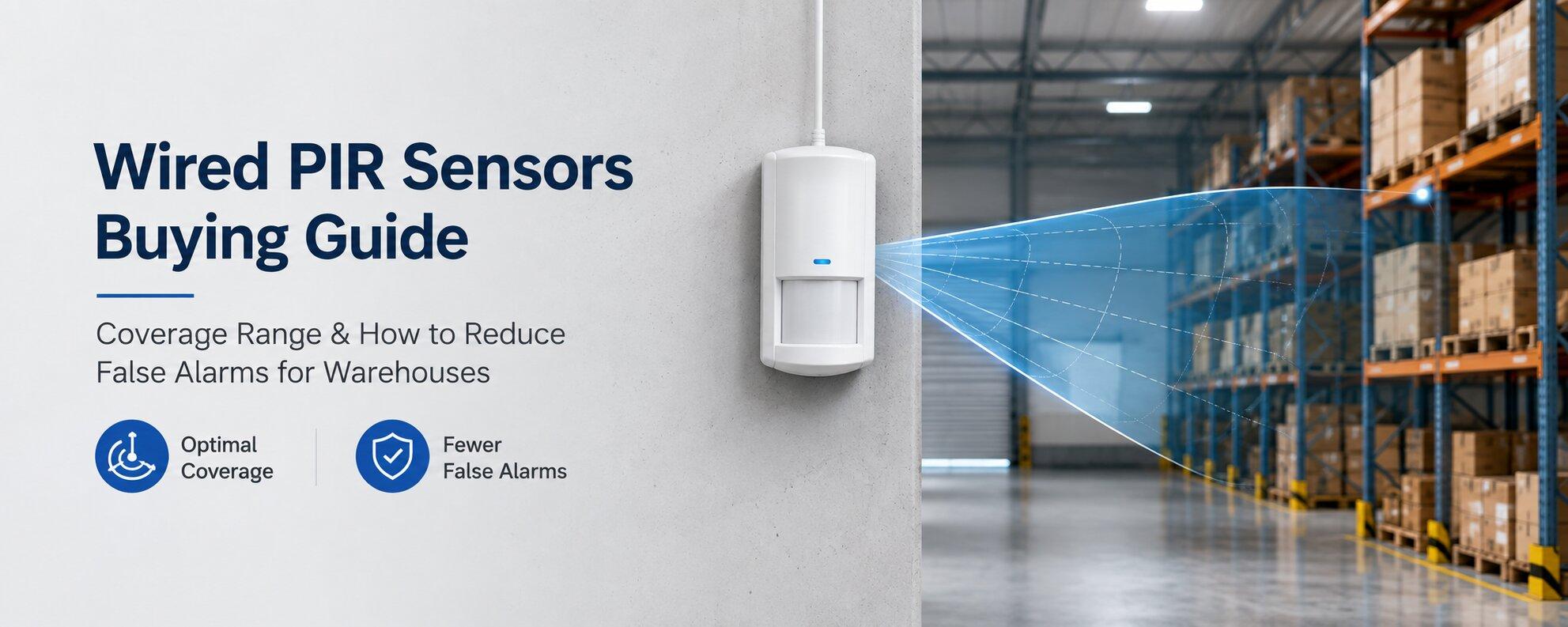
Warehouse security measures commonly include CCTV surveillance, used by a team of professionals to prevent intrusion and theft. However, it now goes beyond that, and motion detection technology plays a vital role in securing large spaces with discreet installation to protect the valuable inventory. Among the various types of motion detection devices, wired Passive Infrared (PIR) sensors are the most reliable and cost-effective for warehouses due to their performance and low maintenance requirements. However, the selection of the right PIR sensors is essential for reducing false alarms and ensuring the reliability of the complete intrusion alarm systems. This buying guide reveals the right way to procure wired PIR sensors for your warehouses with accurate specs like coverage range for the best performance.
Let’s first understand what a PIR sensor is.
What is a Wired PIR Sensor?
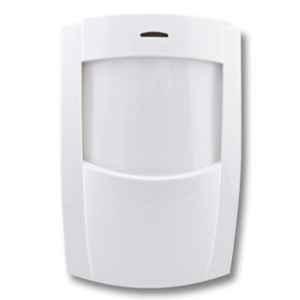
A wired passive infrared (PIR) sensor is a motion detector device used for detecting intrusion by sensing changes in infrared energy in the environment emitted by a human or warm object. Unlike other motion sensors, it has the ability to measure the slightest change in heat around the environment and sends the alarm signal to the main control panel when motion is detected.
These devices are more reliable than the wireless detectors, due to their physical connection to the main panel, which can only be disrupted when physically severed. Moreover, wired PIRs are also immune to radio frequency disturbances, making them a perfect choice for large spaces such as warehouses, factories, and other commercial spaces.
Why WIred PIR Sensors Perfect for Warehouses?
Warehouses are mainly large spaces with high ceilings that have expensive machinery. They require modern security due to many blind spots that security teams cannot physically monitor all the time. Wired PIR sensors offer several security benefits for warehouses, including:
- Reliable wired communication with alarm systems.
- Immune to radio frequency disturbances.
- Easy to scale up for large installations.
- Cost-effective with low maintenance.
- Reliable 24/7 monitoring
Wired PIR Sensor Coverage Range
| Coverage Factor | Short Description | Recommended Use |
| Detection Distance | 8-18 m detection range. | 8-10 m for small rooms, 15-18 m for warehouses. |
| Detection Angle | 90, 110, 180, or 360 degree coverage. | Select based on room size and layout. |
| Mounting Height | Install at 2.1 – 2.7 m height. | Ensures accurate detection and fewer false alarms. |
How to Select the Right Coverage Range for a Wired PIR Sensor?
Every warehouse has a different layout and security needs, which is why it is essential to choose the wired PIR sensors with the right coverage range. Here are major points to help you select the right one:
- In warehouses with small storage rooms, a PIR sensor with an 8-10 metre standard range provides optimal protection.
- PIR sensors with 12-15 metre coverage range are enough for medium-sized warehouses. They provide the best protection from one end of the storage room to another along with aisles.
- For large-space warehouses with multiple separate storage rooms, multiple PIR sensors with overlapping coverage range provide the best security, instead of a single device. This strategy offers no blind spots and complete protection to different zones.
A Detailed Buying Guide to Help You Choose Right Wired PIR Sensors for Warehouse
| Factor | What to Check | Why It Matters |
| Detection Range | 12m, 15m, 20m, or 30m models | Ensures complete coverage of long warehouse aisles and minimizes blind spots. |
| Coverage Pattern | Corridor, long-range, or wide-angle lens | Match the sensor pattern to aisles, racks, or open floor spaces for better detection. |
| Mounting Height | Standard (2.4-3.6m) or high-mount (3.6-6m) | Proper mounting height maintains accurate motion detection in high-ceiling warehouses. |
| Pet/Forklift Immunity | Immunity rating (like up to 25kg) | Reduces false alarms caused by small animals, warehouse equipment, or moving objects. |
| Anti-Masking Feature | Tamper and masking detection | Alerts you if someone attempts to cover, spray, or block the sensor. |
| Dual-Tech Option | PIR-only or PIR + Microwave | Dual technology improves detection accuracy and minimizes false alarms in challenging environments. |
| Environmental Rating (IP) | IP41, IP54, or IP65 | Protects the sensor against dust, humidity, and semi-outdoor warehouse conditions. |
| Wiring Type | 4-wire (NC/NO + tamper) or proprietary bus | Ensures compatibility with your existing security system and alarm panel. |
| Certification | UL, EN 50131, BIS/IS compliance | Confirms product quality, regulatory compliance, and insurance acceptance. |
| Panel Compatibility | Supported alarm panel brands | Prevents installation issues and ensures all alarm features work correctly. |
Common Factors That Affect the Performance of Wired PIR Sensors
If you don’t have favorable environment conditions, even the best intrusion alarm system PIR sensors can underperform. Here are the certain conditions which affect the performance of a wired PIR sensor:
- High temperature in the warehouse.
- The detector is exposed to direct sunlight.
- The detector receives air conditioning directly from the vent.
- Heat generated through machinery is hitting the detector directly.
- Metal shelving blocking the detection.
- The detector is installed at the wrong angle or too much dust has accumulated.
Reasons That Increases the Chances of False Alarms From Wired PIR Sensor
- Rapid temperature fluctuations
- Vibrations caused by machinery
- Thermal exposure from machinery or sunlight.
- Loose electrical wiring
- Improper sensitivity settings
- Wrong installation method and angle.