

Great sound doesn’t happen by accident. Whether you’re setting up a home audio system, a conference room, a place of worship, or a live event stage, achieving perfect sound balance depends on how well your speakers, microphones, and amplifiers work together.
When these components are mismatched, the result is distortion, feedback, or weak audio. When they’re properly matched, sound is clear, powerful, and comfortable to listen to. This guide explains how to match each component correctly for the best audio performance.
Understanding the Role of Each Audio Component
Before matching equipment, it’s important to know what each component does.
Speakers
Speakers convert amplified electrical signals into audible sound. Their performance depends on power handling, impedance, and sensitivity.
Microphones
Microphones capture sound and convert it into an electrical signal. The type of microphone affects clarity, feedback control, and sound pickup.
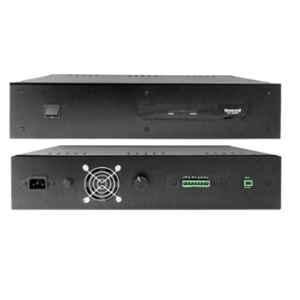
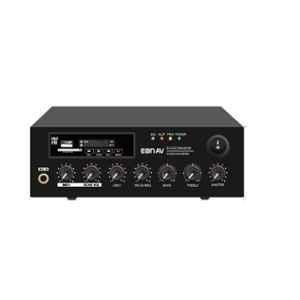
Amplifiers
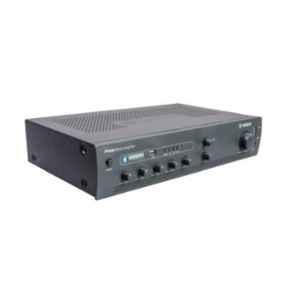
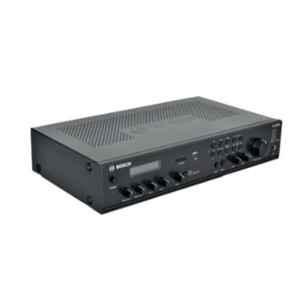
Amplifiers boost low-level audio signals to a level strong enough to drive speakers without distortion.
Matching Speakers with Amplifiers
Power Rating Matters
- Match the amplifier’s output power to the speaker’s power handling capacity.
- An underpowered amplifier can cause distortion and damage speakers.
- An overpowered amplifier can destroy speakers if not controlled properly.
Best practice: Choose an amplifier with power output close to or slightly higher than the speaker’s rated power.
Impedance Compatibility
Speaker impedance is measured in ohms (Ω), commonly 4Ω, 6Ω, or 8Ω.
- Ensure the amplifier supports the total speaker load.
- Lower impedance draws more power from the amplifier.
Rule of thumb: Never connect speakers with a total impedance lower than what the amplifier can handle.
Speaker Sensitivity
Sensitivity determines how loud a speaker gets with a given amount of power.
- High-sensitivity speakers need less amplifier power.
- Low-sensitivity speakers require stronger amplifiers.
Matching sensitivity with amplifier power ensures balanced volume without strain.
Matching Microphones with Amplifiers and Mixers
Microphone Types
- Dynamic microphones: Durable, good for live sound, less sensitive to background noise.
- Condenser microphones: More sensitive and detailed, ideal for vocals and studios (require phantom power).
Choose microphones based on the environment and purpose.
Output Level & Input Sensitivity
- Microphones produce low-level signals.
- Ensure the amplifier or mixer has suitable mic preamps.
- Proper gain staging prevents noise and distortion.
Always adjust gain so the signal is strong but not clipping.
Directional Patterns
Microphone pickup patterns (cardioid, omnidirectional, supercardioid) affect feedback control.
- Cardioid mics reduce feedback and background noise.
- Omnidirectional mics capture sound from all directions but require careful placement.
Match mic patterns to room size and speaker placement.
Integrating All Components for Balanced Sound
Use a Mixer for Control
A mixer allows you to:
- Balance microphone and music levels
- Control EQ (bass, mid, treble)
- Prevent feedback
- Route sound efficiently to amplifiers and speakers
Mixers are essential in multi-mic or multi-speaker setups.
Room Size & Acoustics
Room acoustics play a major role in sound balance.
- Large rooms need higher power speakers and amplifiers.
- Small rooms require controlled output to avoid echo and distortion.
Speaker placement and room treatment improve overall sound clarity.
Common Mistakes to Avoid
- Using low-power amplifiers with high-power speakers
- Ignoring impedance limits
- Placing microphones too close to speakers
- Over-amplifying to compensate for poor equipment matching
- Skipping proper gain and EQ adjustments
Avoiding these mistakes helps protect equipment and improves sound quality.
Tips for Achieving Perfect Sound Balance
- Match amplifier power with speaker ratings
- Use appropriate microphones for your application
- Maintain correct impedance levels
- Use mixers and equalizers wisely
- Test the system at different volume levels
- Make small adjustments instead of extreme changes
Final Thoughts
Perfect sound balance comes from understanding how speakers, microphones, and amplifiers interact as a system- not as individual components. When matched correctly, they deliver clear, distortion-free audio that enhances any environment, from homes and offices to auditoriums and live events.
Invest time in proper planning and setup, and your sound system will reward you with reliable, professional-quality performance.