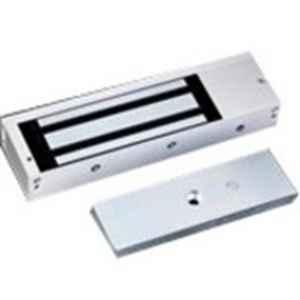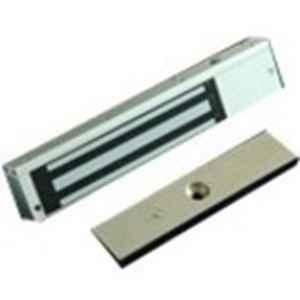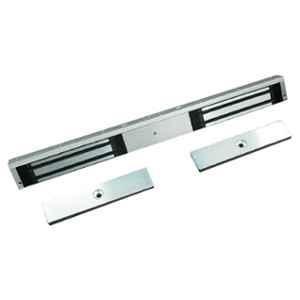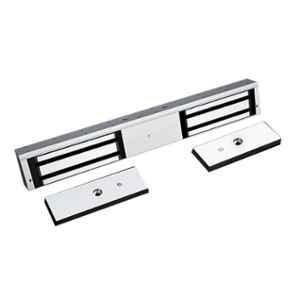


Selecting the right electric lock for a commercial facility or house is an essential process that cannot be done just based on the holding power of the lock. One of the most critical points is to consider what the lock does during a power outage.
There are two different conditions that you will have to face with the wrong selection. A door that should remain closed during a power outage can open on its own, or when occupants need it to open during an emergency, it can remain closed.
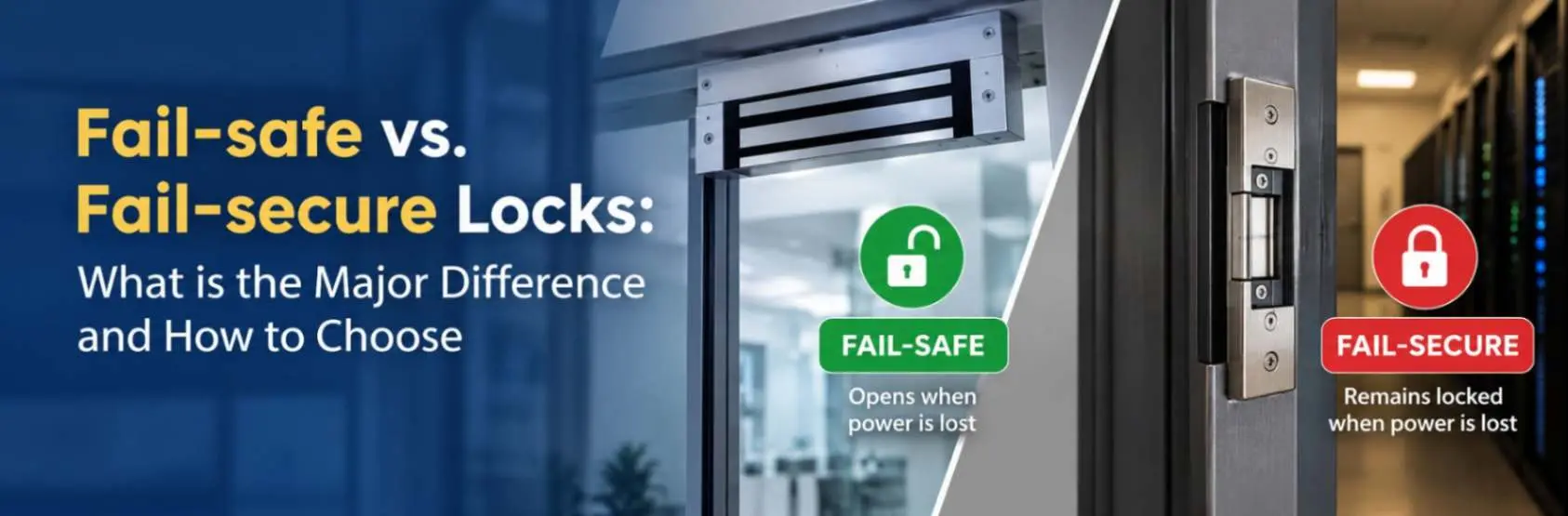
To make the right selection, you must understand the concept of fail-safe and fail-secure locks. Doors that are fail-safe, open during power outages, whereas fail-secure doors remain closed when there is no electricity.
What Is a Fail-Safe Lock?
A fail safe lock opens when power is lost.
These doors are designed to secure the entry/exit points with excellent holding force but unlock when there is no power. These locks help the occupants to evacuate the building quickly by unlocking automatically during power failures.
Why Use a Fail-Safe Lock?
A major reason to use fail-safe locks is to save lives and reduce the wastage of time to unlock doors manually during emergencies.
What Is a Fail-Secure Lock?
A fail-secure locking device remains locked when electrical power is lost, subject to the particular lock design and mechanical means of egress.
The objective is to maintain security around the protected area during a power outage. This can be important where unauthorised entry presents a greater concern than maintaining an electrically unlocked state.
Why Use a Fail-Secure Lock?
The primary consideration is asset and area security.
Imagine a server room, records room or other restricted area. If power is interrupted, allowing the door to automatically unlock could create an unwanted security exposure. A fail-secure arrangement can keep the outside access controlled during the outage.
However, fail-secure does not mean that people inside should be trapped. The door hardware must still provide an appropriate means of exit wherever required by the building’s fire and life-safety provisions.
Typical Fail-Secure Hardware
Common examples include:
- Electric strikes configured for fail-secure operation
- Electrified mortise locks
- Electrified cylindrical locks
- Other access-control locking devices which don’t unlock
Fail-Safe vs. Fail-Secure: Side-by-Side Comparison
| Feature | Fail-Safe | Fail-Secure |
| Power loss | Lock releases/unlocks | Lock remains locked |
| Main priority | Life safety / controlled release | Security / unauthorised entry prevention |
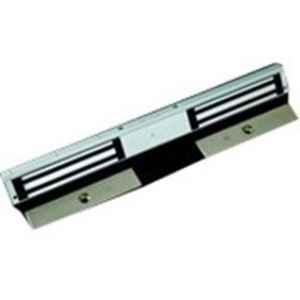
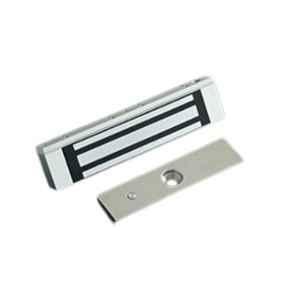
| Typical example | Magnetic lock | Electric strike or electrified lock |
| Common application | Egress and emergency-release applications | Server rooms and restricted areas |
| External entry during outage | Generally permitted if the lock releases | Generally remains restricted |
| Exit from inside | Normally available because lock releases | Must be provided through the appropriate mechanical/emergency egress arrangement |
| Main risk if incorrectly specified | Unwanted access during an outage | Potential obstruction to required egress if improperly applied |
| Key selection factor | Life-safety and release requirements | Security requirements and permitted means of exit |
The Simple Way to Remember is:
- Fail-Safe = Power fails > Lock releases
- Fail-Secure = Power fails > Lock stays secure
The terms describe the electrical state of the lock during power loss, not whether one lock is universally better than the other.
Where Should Fail-Safe and Fail-Secure Locks Be Used?
The application is more important than simply choosing the lock with the stronger security specification.
Fail-Safe Applications
Fail-safe arrangements may be considered for doors where emergency release and life safety are key requirements, such as:
- Required exit or egress doors
- Certain fire-rated escape routes
- Emergency exit arrangements
- Some stairwell and protected escape-path applications
- Doors connected to emergency release systems
However, the exact requirement depends on the door’s function and the applicable fire and building regulations. A system integrator should not assume that every stairwell or fire-rated door automatically requires one particular lock type.
Fail-Secure Applications
Fail-secure arrangements can be appropriate where preventing unauthorized entry during a power failure is a major consideration, provided the door still has the required means of egress.
Typical applications can include:
- Server rooms
- Data centres
- Records rooms
- Cash or valuables storage
- Restricted technical rooms
- Certain internal security zones
- Controlled perimeter entrances
For these locations, the design needs to distinguish between controlling entry and allowing emergency exit. A door can remain secured from the outside during a power outage while still providing a suitable method for occupants to exit.
How to Choose Between Fail-Safe and Fail-Secure
A simple decision framework can help system integrators narrow down the correct arrangement.
Step 1: Is the Door Part of an Egress Route?
- If yes, life safety and emergency egress requirements need to be considered first.
- If not, proceed to the security requirements.
Step 2: What Happens During Power Failure?
Ask:
- Should the door release electrically when power is lost?
- If yes, a fail-safe arrangement may be appropriate.
- Should outside entry remain restricted during the outage?
- If yes, a fail-secure arrangement may be appropriate, provided the required exit arrangement is maintained.
Step 3: Is There a Fire Alarm Interface?
If the door needs to be released as part of an emergency sequence, verify that the selected lock and access-control system support the required fire alarm/emergency release interface.
Step 4: What Is the Security Risk?
For a server room or restricted records room, maintaining controlled entry during a power outage may be important.
For an emergency escape route, safe egress takes priority over preventing unauthorised entry from that door.
Step 5: Check the Door Hardware
Confirm compatibility with:
- Door material
- Door frame
- Lock/latch
- Door closer
- Exit device
- Reader
- Access controller
- Fire alarm system
Step 6: Check Applicable Regulations
Before finalising the specification, verify the relevant NBC provisions, local building bye-laws, fire authority requirements and project-specific Fire NOC conditions.
What Should System Integrators Check Before Buying?
Before ordering an electric lock, check the following:
| Parameter | What to Verify |
| Fail mode | Fail-safe or fail-secure |
| Operating voltage | Match controller/power supply |
| Current consumption | Size the power supply correctly |
| Door type | Glass, wooden, metal, framed, etc. |
| Lock type | Maglock, electric strike, mortise, cylindrical |
| Holding force | Suitable for the door and application |
| Fire requirements | Applicable rating and approvals |
| Egress | Emergency exit requirements |
| Access controller | Relay/output compatibility |
| Emergency release | Fire alarm/REX/manual release requirements |
| Backup power | UPS/battery requirements |
| Installation | Brackets, mounting and door alignment |
Conclusion
Fail-safe and fail-secure locks are not two levels of the same product where one is automatically better than the other. They are different operating approaches for what happens when electrical power is interrupted.
- Fail-safe: power loss causes the lock to release.
- Fail-secure: power loss causes the lock to remain secured from the controlled side, subject to the door’s mechanical egress arrangement.