

Modern access control systems are essential for ensuring authorized entry into a secure building or premises. Choosing the right locking device helps prevent unauthorized users from entering a high-security zone in corporate offices, government facilities, warehouses, IT centers, and other commercial buildings. The selected locking mechanism directly affects the overall security level and effectiveness of the access control systems.
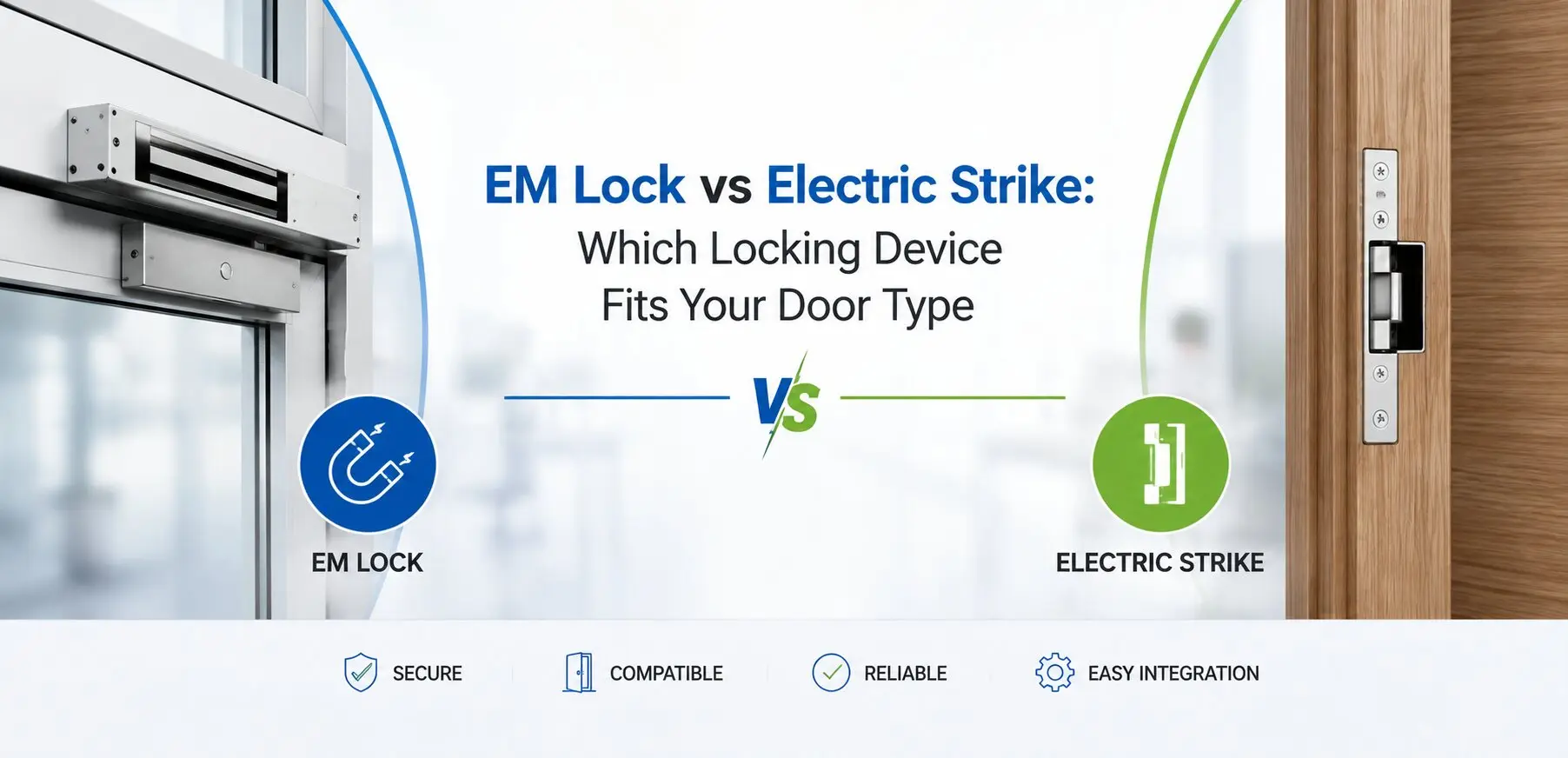
Among the access control locking devices, electromagnetic locks (EM) and electric strikes are the two most effective devices used in high-security zones. Although both devices are effortlessly integrated with access control systems, they provide different levels of security and are designed for distinct applications. To choose the right locking device for your systems and specific security needs, you must understand the proper difference between them.
What is Electromagnetic Lock?
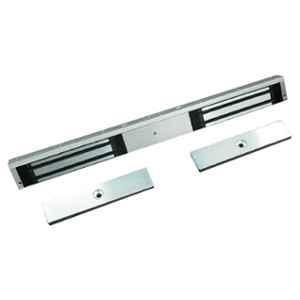
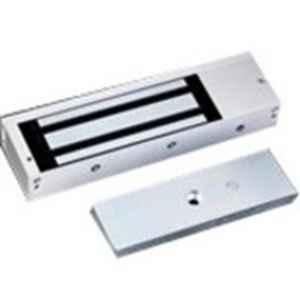
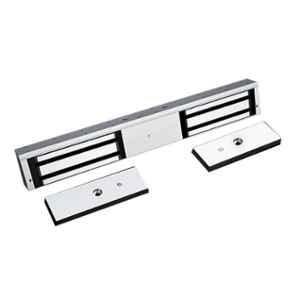
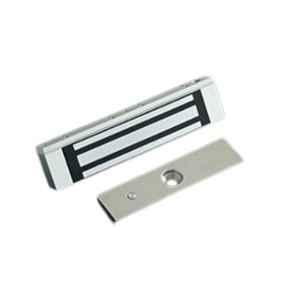
An electromagnetic lock, or EM lock or Maglock, is a powerful locking device that uses an electromagnet mounted on the door and a metal armature plate installed on the frame. The lock remains secured until the current flows; once the circuit breaks, it automatically disengages.
EM locks don’t use moving mechanical parts, making them immune to tampering and best for high-traffic zones for a long lifespan. During emergencies, these locks automatically open during power outages, making them perfect for evacuating the space quickly.
What is Electric Strike?
Electric strike is a component of a door lock, which replaces the standard mechanical strike plate installed in a door frame. When an authorized person shows the right credential, the electric strike releases the door latch temporarily and allows the entry.
Strike plates still use the mechanical latch of the door, securing the doors even during the power outages. However, it specifically depends on which type of locking device it is: a fail-safe or fail secure. These locks are most commonly used in large spaces with high security needs like IT server rooms, data centers, corporate offices, educational institutes, warehouses, and other commercial facilities.
Key Different Between EM Lock and Electric Strike
| Factor | Electromagnetic Lock | Electric Strike |
| Locking Method | Electromagnetic force | Mechanical latch release |
| Power Requirement | Requires continuous power | Requires power only during operation |
| Installation | Surface mounted | Installed inside door frame |
| Existing Lockset | Not required | Works with existing lock |
| Security During Power Loss | Unlocks unless backed by UPS | Depends on fail-safe or fail-secure model |
| Best For | Glass, aluminum, and high-traffic doors | Wooden, metal, and commercial doors |
Both types of locking device are ideal for access control systems, but the final choice depends on the security level and type of door.
Choosing EM Lock or Electric Strike Based on Door Type
| Door Type | Recommended Lock | Reason |
| Wooden Door | Electric Strike | Uses existing latch and requires minimal hardware changes. |
| Hollow Metal Door | Electric Strike | Strong mechanical locking and excellent durability. |
| Aluminum Door | EM Lock | Easy surface mounting with minimal frame modification. |
| Glass Door | EM Lock | Ideal for frameless or full-glass doors without drilling. |
| Fire-Rated Door | Electric Strike | Better suited for maintaining fire-door compliance when properly specified. |
| Double Door | EM Lock | Provides uniform locking across both door leaves. |
| Emergency Exit Door | EM Lock | Automatically unlocks during emergencies when power is removed. |
| Warehouse Door | Electric Strike | Strong mechanical locking for secure commercial entrances. |
| Server Room | Electric Strike | Offers enhanced protection with fail-secure operation |
Fail-Safe Lock vs. Fail-Secure
Both EM locks and electric strikes are access control locks either designed to be fail-safe or fail-secure, offering different security levels during power outages, which you need to understand before making the final selection.
Fail Safe: Locks with fail-safe functioning unlock during power outages. EM locks are generally designed to be fail-safe, making them ideal for emergency exits in high-traffic spaces like hospitals, schools, and more.
Fail Secure: These locks remain locked during power outages and only open when someone uses authorized credentials. They are perfect for high-security facilities when you don’t want anyone to enter, taking advantage of emergency situations like warehouses, server rooms, and other restricted areas, protecting valuable items.
Factors to Consider Before Buying EM Locks and Electric Strike
- Door material and frame type
- Indoor or outdoor installation
- Traffic volume
- Required security level
- Fire safety regulations
- Fail-safe or fail-secure requirement
- Existing access control system compatibility
- Power supply availability
- Backup battery support
- Installation complexity
- Long-term maintenance requirements
Why Should You Choose EM Lock?
EM Lock is the best locking device when:
- You want to secure a glass or aluminum door
- A surface mounted locking device is required.
- High traffic spaces need access control locks.
- Emergency exits are needed to be secured.
- You want an access control lock with minimal maintenance requirements.
- You want to easily integrate locks with other access control devices like biometric raiders, RFID systems, and more.
When Should You Select Electric Strike?
Electric strike should be installed when:
- You don’t want to replace the existing lockset.
- A fail safe mechanical lock.
- You want higher security during power outages.
- Controlled access to every user with credentials.
Conclusion
Both EM locks and electric strikes offer reliable performance to set up high-security access control systems. However, their selection must be made based on the security needs, type of space, and whether you need a fail-safe or fail-secure locking device. Where EM locks are best for glass doors and securing emergency exits, electric strikes are ideal for mechanical door locks. Assess the door type you have and the access control system to choose the right solution for your needs.