

False fire alarm triggers are a common but expensive problem. It wastes resources, creates panic, and increases the maintenance cost. Users have to reset the emergency systems after every false trigger, which takes a lot of effort and technical configurations.
With advancing technology, the addressable fire alarm systems have evolved significantly, which has increased the overall efficiency of the complete systems. They can accurately track the location of fire alarm devices like detectors and panels for immediate action and use intelligent detection for higher reliability. These features make these systems more responsive than conventional fire alarm systems.
What is an Addressable Fire Alarm System?
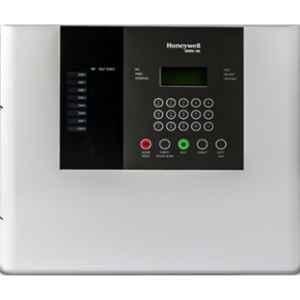
An addressable fire alarm system is a fire safety system in which every single device has a unique traceable address. When a device like a detector sends the signal for a fire breakout, the control instantly traces its exact location of installation for the emergency services to respond quickly and triggers the notification systems like audible alarms and strobe lights.
Major Components of Addressable Fire Systems
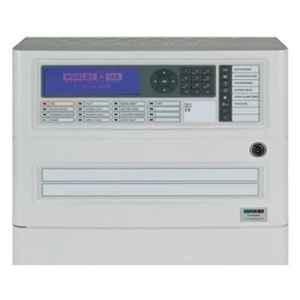
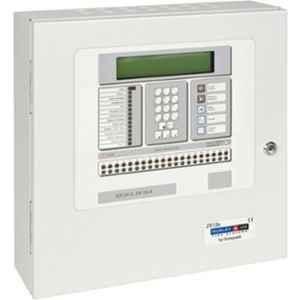
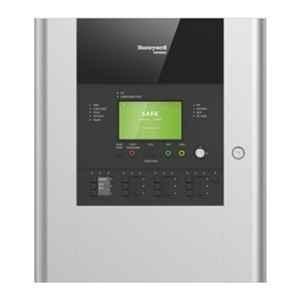
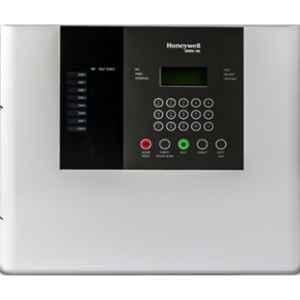
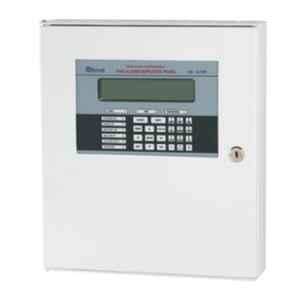
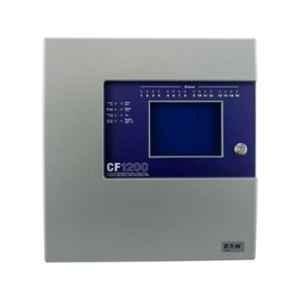
- Fire Alarm Control Panel: System monitoring center
- Smoke Detectors: Detect airborne smoke
- Heat Detectors: Sense temperature rise
- Manual Call Points: Manual call points for manual alarm activation
- Sounders and Alarms: Emergency warning devices
- Input and Output Modules: Device communication interface
Reasons Why False Fire Alarm Triggers are Serious Problem
Most people don’t look at this matter seriously when fire alarm systems show false warnings and trigger suppressive measures like sprinklers. Here’s how serious they can be:
Business Disruption
- Employees must evacuate the building.
- Work operations stop temporarily.
- Productivity decreases.
Financial Losses
- Emergency response costs may increase.
- Maintenance expenses rise.
- Business downtime can affect revenue.
Reduced Trust
- Occupants may stop taking alarms seriously.
- Delayed responses can occur during real emergencies.
Legal and Compliance Issues
- Frequent false alarms may attract penalties in some jurisdictions.
- Building owners may face regulatory concerns.
How Addressable Fire Alarm Systems Reduce False Alarm Triggers?
Here are the reasons why addressable systems are best for large spaces as fire safety systems reducing false alarm triggers:
Precise Device Identification
Each detector has its own unique address. When an alarm occurs, the control panel displays the exact detector that triggered it.
Benefits include:
- Faster troubleshooting
- Easier maintenance
- Accurate fault identification
- Reduced confusion during inspections
Instead of searching an entire zone, technicians can immediately locate the affected device.
Intelligent Detection Technology
Modern addressable systems use advanced algorithms to analyze environmental conditions.
These systems can distinguish between:
- Smoke
- Dust
- Steam
- Temporary airborne particles
This reduces the likelihood of accidental alarm activation.
Adjustable Sensitivity Levels
Addressable detectors often allow sensitivity adjustments.
This feature is useful in environments such as:
- Kitchens
- Warehouses
- Manufacturing facilities
- Parking areas
The detector can be configured according to the surrounding conditions without compromising safety.
Continuous Device Monitoring
Addressable systems continuously monitor detector performance.
The control panel can identify:
- Dirty detectors
- Faulty devices
- Wiring issues
- Communication problems
Early detection of these issues helps prevent false alarms before they occur.
Better Detector Placement
Addressable systems provide detailed information about detector activity.
This helps installers determine:
- High-risk locations
- Problematic areas
- Environmental influences
Detectors can then be repositioned to improve performance.
Which Types of Places in Different Industries That are Benefitted by the Addressable Fire Alarm Systems?
Addressable fire alarm systems are beneficial for many different environments in Industries such as:
- Commercial Buildings: Office complexes, Shopping centers, and Business parks
- Healthcare Facilities: Hospitals, Clinics, and Nursing homes
- Educational Institutions: Schools, Colleges, and Universities
- Industrial Facilities: Manufacturing plants, Warehouses, and Processing units
- Hospitality Sector: Hotels, Resorts, and Convention centers
All these places have large areas in which a reliable fire safety system should be installed and addressable fire alarm systems are the most ideal for such places with accurate detection and ability to track each device’s location.
Best Practises to Manage Fire Alarm Systems for Reducing False Alarms Triggers
Regular Maintenance
You should prepare a regular schedule for maintaining the fire alarm systems. Check their working status and conduct proper cleaning of the devices and control panels once in a week. If any device is not working correctly or has faults in the wiring connection, the panel will show the warning.
Clean the Detectors
Detectors are installed outside the system and are prone to dust and dirt or water damage. They are needed to be dusted and cleaned regularly so that they can detect fire signs without any disruptions. Accumulated dust and debris increases the chances of false detection.
Use Right Detector at Right Place
There are various types of addressable fire detectors that should be installed at the right places at home or offices. For instance, heat detectors are best for kitchens, smoke detectors are installed in offices, and multi criteria detectors in commercial places for higher accuracy.
Professional Installation
Make sure to take the help of a professional installer if you are sourcing wireless devices. They require technical configuration to install and set up for efficient functioning.
Conclusion
Addressable fire alarm systems are much more efficient and reliable than the conventional fire alarm systems in large spaces. They not only perform well with early fire detection and location tracking but also use multiple sensor based technology to reduce false alarm triggers. They are used for a wide range of applications in commercial and industrial sectors for their reliability.