

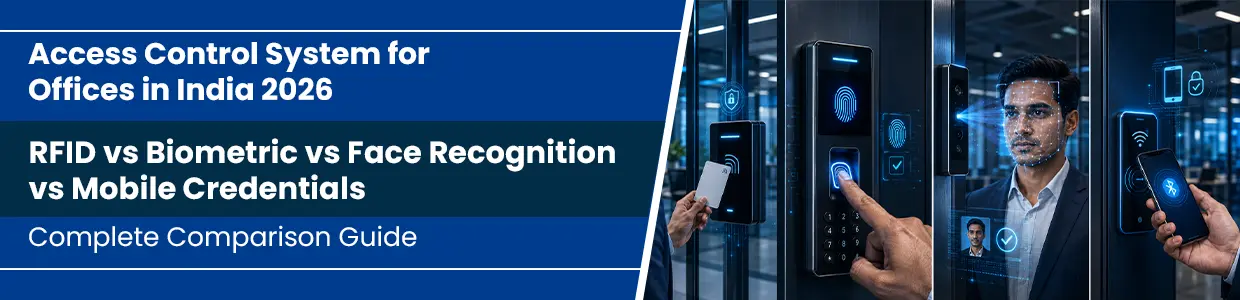
In these modern times, you will find every office using smart access control systems for faster access for their employees and preventing unauthorized entries. The need for access control devices in India is increasing rapidly, with not only large enterprises utilizing it but even small offices benefiting from it. You will find no one standing at the door checking ID cards; instead, there will be a biometric device, a smart card reader, or a smartphone-based access reader.
With system integrators and businesses demanding more advanced access control systems, it is just about whether to install it or not. Now, the major issue is- which access control system to choose for your needs. This blog is curated to reveal all about the different types of access control systems, their comparison, and which technology to choose.
What is an Access Control System?
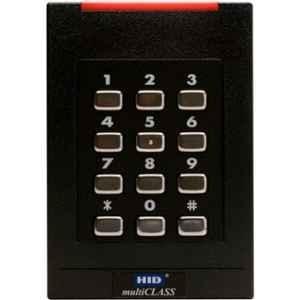
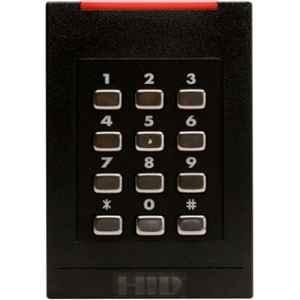
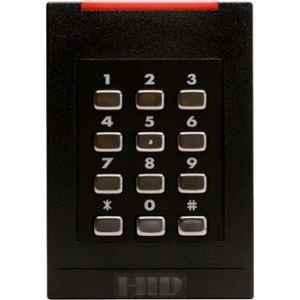
An access control system is used for granting or denying entry into a building or room, or even to a digital file. These systems include an access reader device that can verify the identity of an individual using the right credentials as they are connected to the central database. There are various types of access control readers that can scan and verify different types of credentials, such as biometric for fingerprints, iris scanners, face recognizers, and some even have keypads for PIN code access.
Four Major Types of Access Control Systems to Choose From
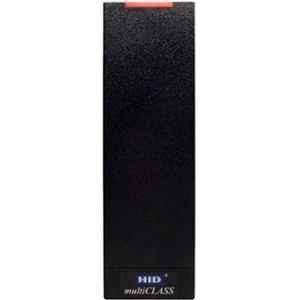
RFID Card or Proximity Card Systems
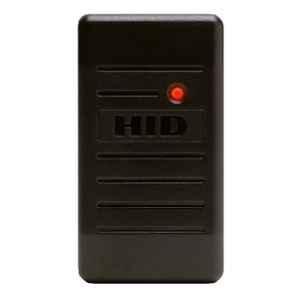
RFID or Radio Frequency Identification and proximity readers rely on radio frequencies to verify the credentials. Each individual carries a smart card that broadcasts a unique ID code when placed near the readers. The reader verifies the ID with the central database of the system for granting or denying access to the user. The complete process doesn’t require physical contact, which makes these systems the most hygienic.
Biometric Access Control Systems
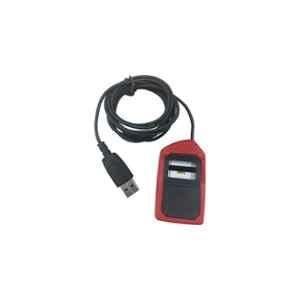
These systems utilize a biometric reader that can register multiple fingerprints of a single user and verify the same patterns on the fingertips to grant or deny entry into the building. These readers are very easy to use, requiring less maintenance and care over time. The live fingerprints are tested against the saved template, and a match unlocks access inside the premises.
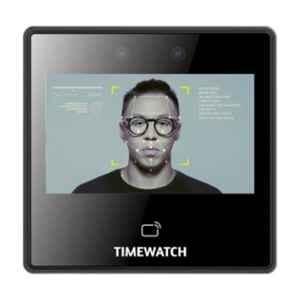
Face Recognition Access Control System
These types of access control devices can map your entire face’s geometry and grant access based on the perfect match. They have a combination of camera and AI software that remembers face structure precisely, such as the distance between two eyes, the shape of your jawline, and more. Modern face recognition access control systems are more advanced and can’t be fooled with a physical photo or digital image of the person.
Mobile Credential Access Control Systems
There are specific access control readers that can grant or deny access to a user based on the right code on the app in their smartphone via Bluetooth or NFC. Some of the systems use cloud-based management to grant or revoke access from any device remotely.
Comparison Between Access Control Systems Based on The Level of Security They Offer
RFID or Radio Frequency Identification: Medium Security
These systems use smart cards as the credentials and are best for general access control areas providing moderate levels of security. Each card of the user has its own unique ID code for providing a higher level of security. However, 13.56 MHz smart cards provide better protection in comparison to basic 125 kHz cards that are easy clones with low cost devices.
Biometric Fingerprint: High Security
Biometric reader systems provide better security than RFID systems as they don’t use smart cards that can be cloned or shared among employees. Once a user enrolls the fingerprint, a reader can identify the patterns with high accuracy to grant or deny access. Moreover, users don’t have to carry a physical card all the time, which can be lost.
Face Recognition: Very High Security
Face recognition access control devices use both high-resolution cameras and AI software to precisely scan and remember an individual’s face geometry. Once the user scans their face into the reader, it can precisely verify the face structure to match and grant access. These systems provide a high level of security in an organization, as the device cannot be fooled so easily using a photo or video. Moreover, these access control readers with cloud-based access can handle high traffic efficiently in corporate parks with multiple companies.
Mobile Credentials: High Security with Flexibility
Access control systems that utilize smartphones as credentials provide high security levels based on how secure a smartphone is. Smartphones with app support for security can provide better protection with a biometric sensor. Such encrypted credentials are hard to clone, which makes it difficult to fool the access control system. The most beneficial thing is- the admin can grant revocation access at any time from a remote location.
Detailed Cost Comparison of Access Control Systems
Cost of RFID Card Systems
- Reader unit cost: Rs 3,000 – Rs 8,000 per door
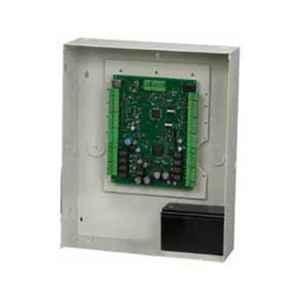
- Controller to manage multiple readers: Rs 8,000 – Rs 20,000
- Per cards cost: Rs 50 – Rs 200
- Total installation cost per door (single door, basic): Rs 12,000 – Rs 30,000
- Ongoing cost: Card replacement (lost cards, new employees) around Rs 200 – Rs 500 per incident
Cost of Biometric Fingerprint Systems
- Fingerprint reader with controller: Rs 6,000 – Rs 20,000 per door
- Software license (some brands): Rs 5,000 – Rs 15,000 per site
- Enrollment time: 15 – 30 seconds per user
- Total per door: Rs 15,000 – Rs 35,000
- Ongoing cost: Minimal- no cards to replace, occasional sensor cleaning
Cost of Face Recognition Systems
- Face recognition terminal: Rs 15,000 – Rs 50,000 per door
- Higher-end AI terminals with dual camera and IR: Rs 35,000 – Rs 80,000
- Server or cloud subscription (for multi-site): Rs 15,000 – Rs 40,000/year
- Total per door: Rs 20,000 – Rs 90,000 depending on specification
Cost of Mobile Credential Systems
- Reader hardware (Bluetooth or NFC enabled): Rs 8,000 – Rs 25,000 per door
- Cloud platform subscription: Rs 300 – Rs 800 per user per year
- Total per door (hardware): Rs 10,000 – Rs 30,000
- Ongoing cost: Cloud subscription per user
Conclusion
Access control systems are irreplaceable when it comes to restricted entry into the office. There are major four types of these systems which utilize different technologies to grant or deny access to a user after verifying their credentials. Choosing the right type of access control system is highly essential for preventing unauthorized entries into the professional space preventing access to main resources. This blog is curated to explain everything about the types of access control systems and their installation cost.